Explore Before You Go, for everyone.
More than 70 million US adults live with a disability, including nearly half of adults 65 and older. Add parents, caregivers, travelers, and anyone headed somewhere new, and that's most of us. Able Eyes tours help all of them walk in ready.
Every tour is free to explore for visitors.
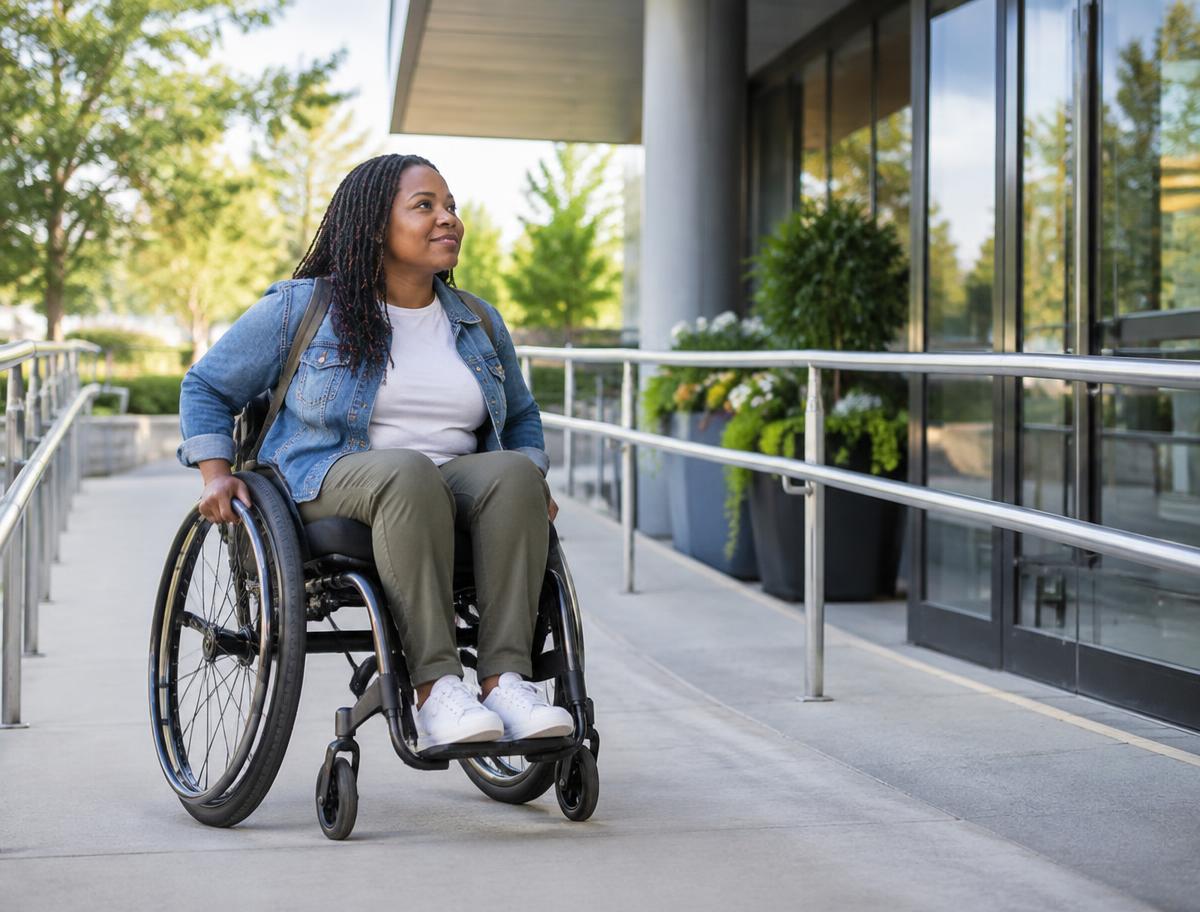
People with Mobility Disabilities
Wheelchair users, people with limited mobility, and anyone using an assistive device can preview entrances, ramps, parking, elevators, and accessible routes before they arrive. No more showing up to find a place doesn't work for you.
Autistic and Neurodiverse Visitors
Unfamiliar places can be overwhelming. Tours let visitors explore the layout, lighting, and feel of a space from home, so the real visit feels familiar instead of stressful.
People with Anxiety or Mental Health Needs
New places can bring stress and avoidance. Walking through a space ahead of time builds the confidence to follow through on visits to clinics, workplaces, schools, and community spaces.
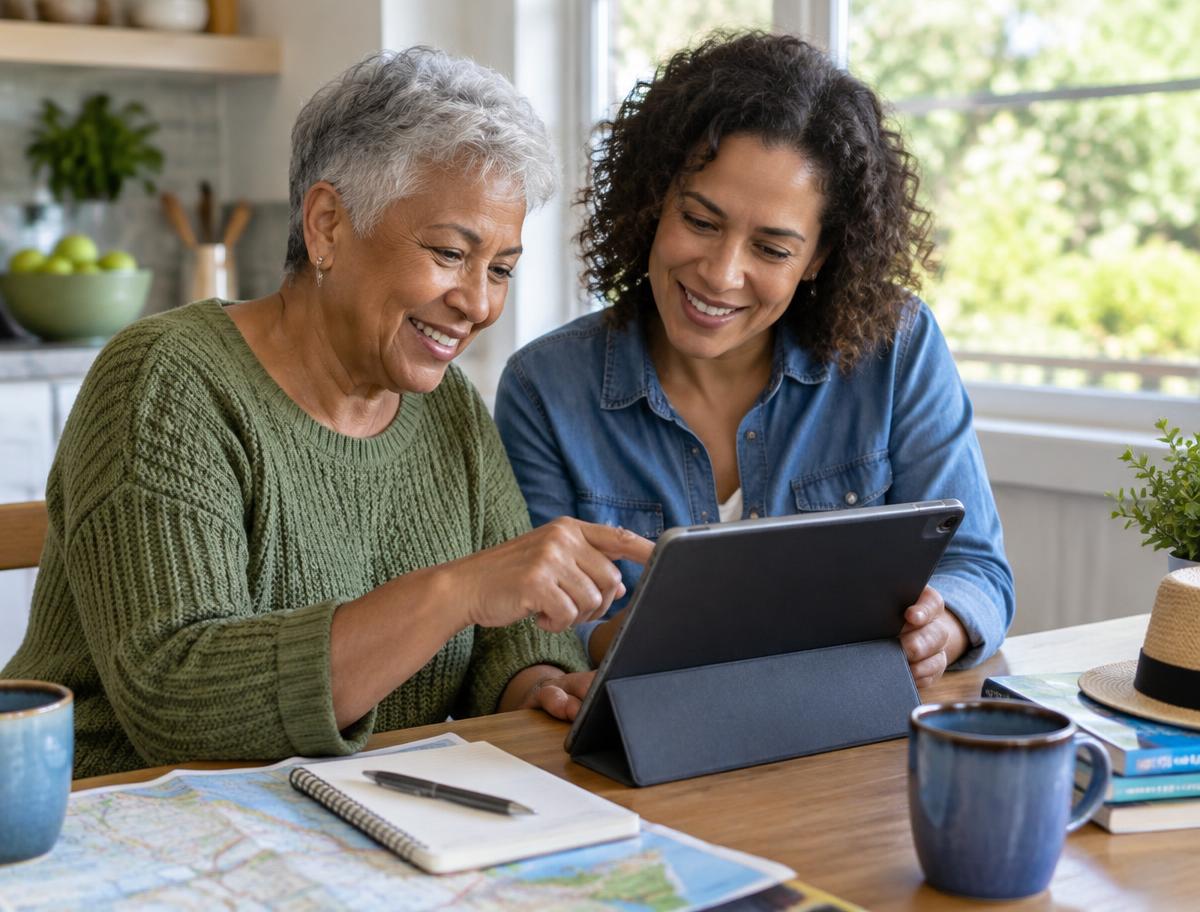
Older Adults
As we age, new places get harder to navigate. Older adults and their families can check seating, restrooms, walking distances, and ease of movement before committing to a visit.
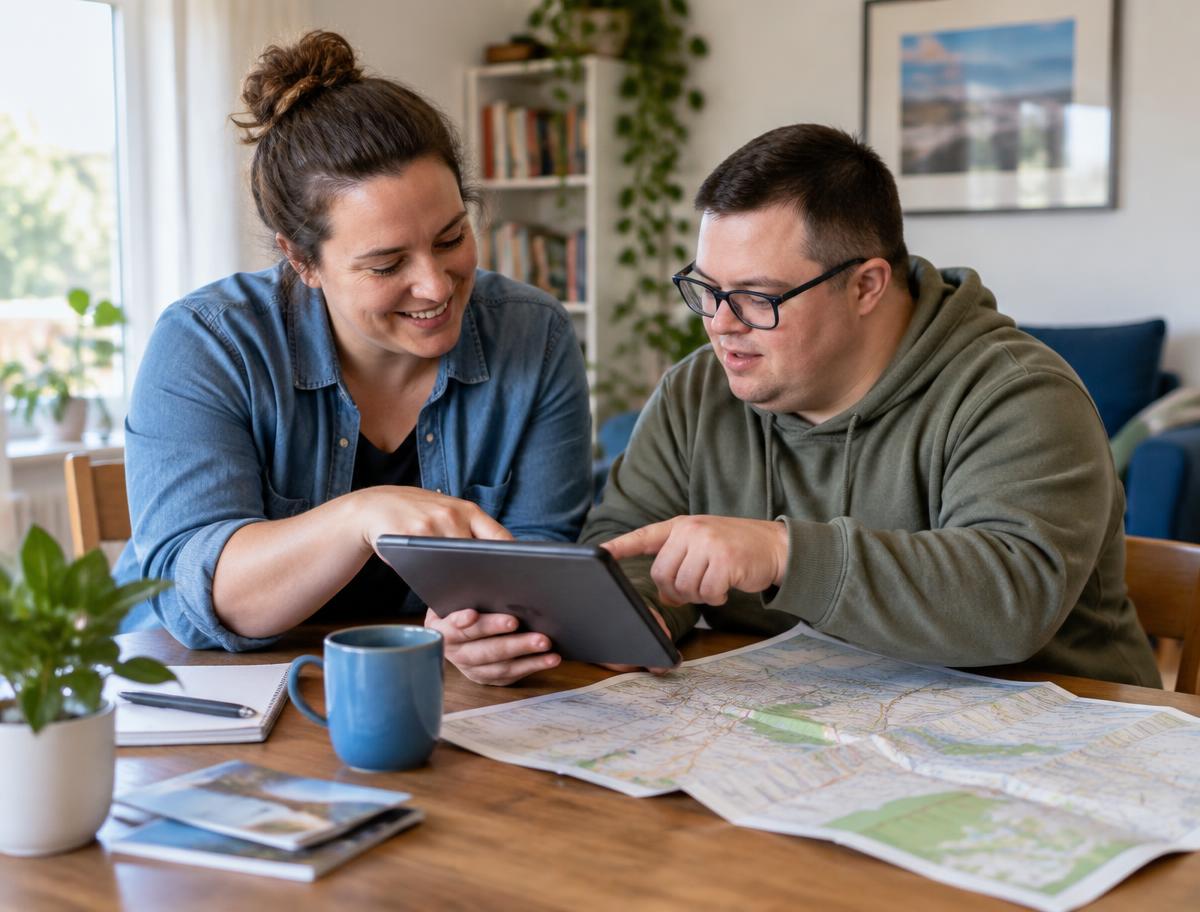
Caregivers and Families
Caregivers can preview a space together with the people they support, plan the route, and share the tour with anyone helping out.
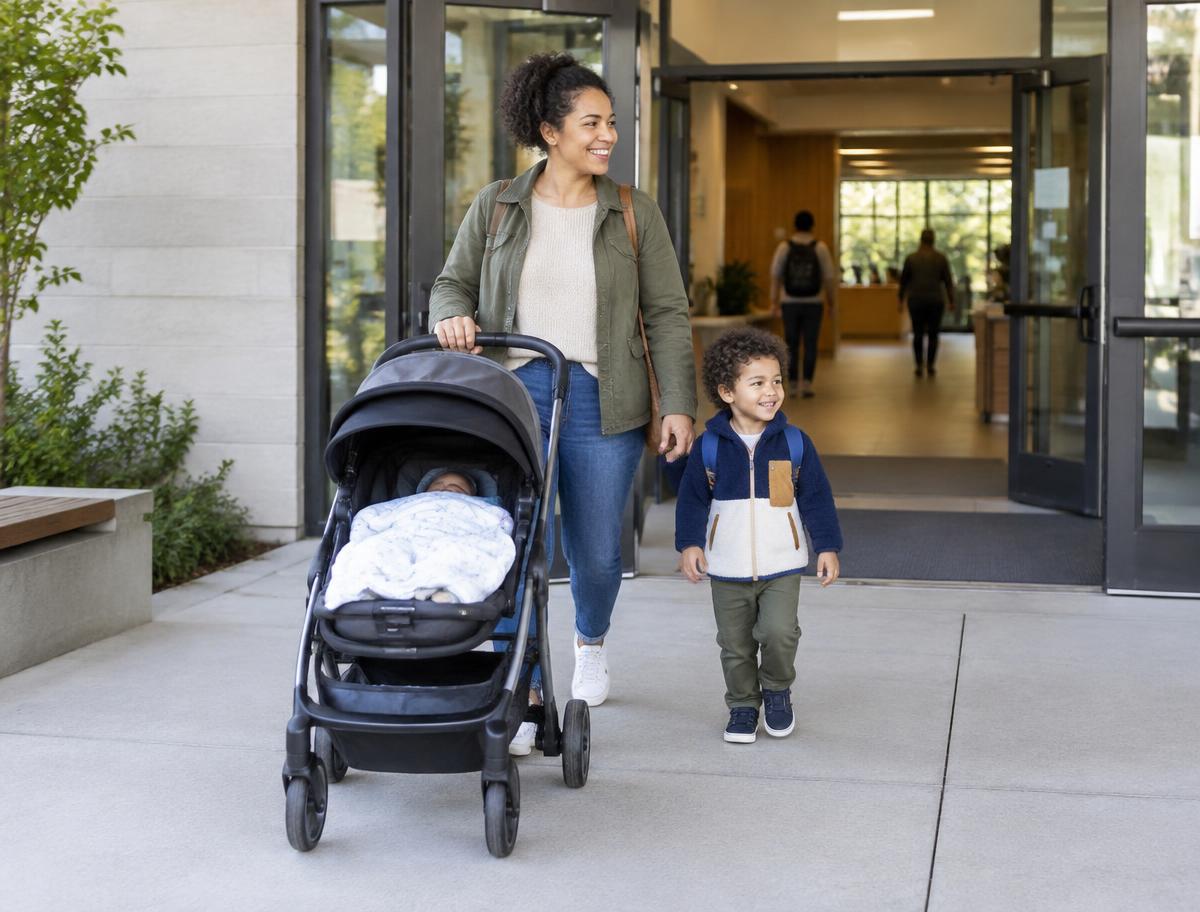
Families with Young Kids
Parents can check for stroller access, restrooms, changing areas, and quiet spots before they pack up the car.
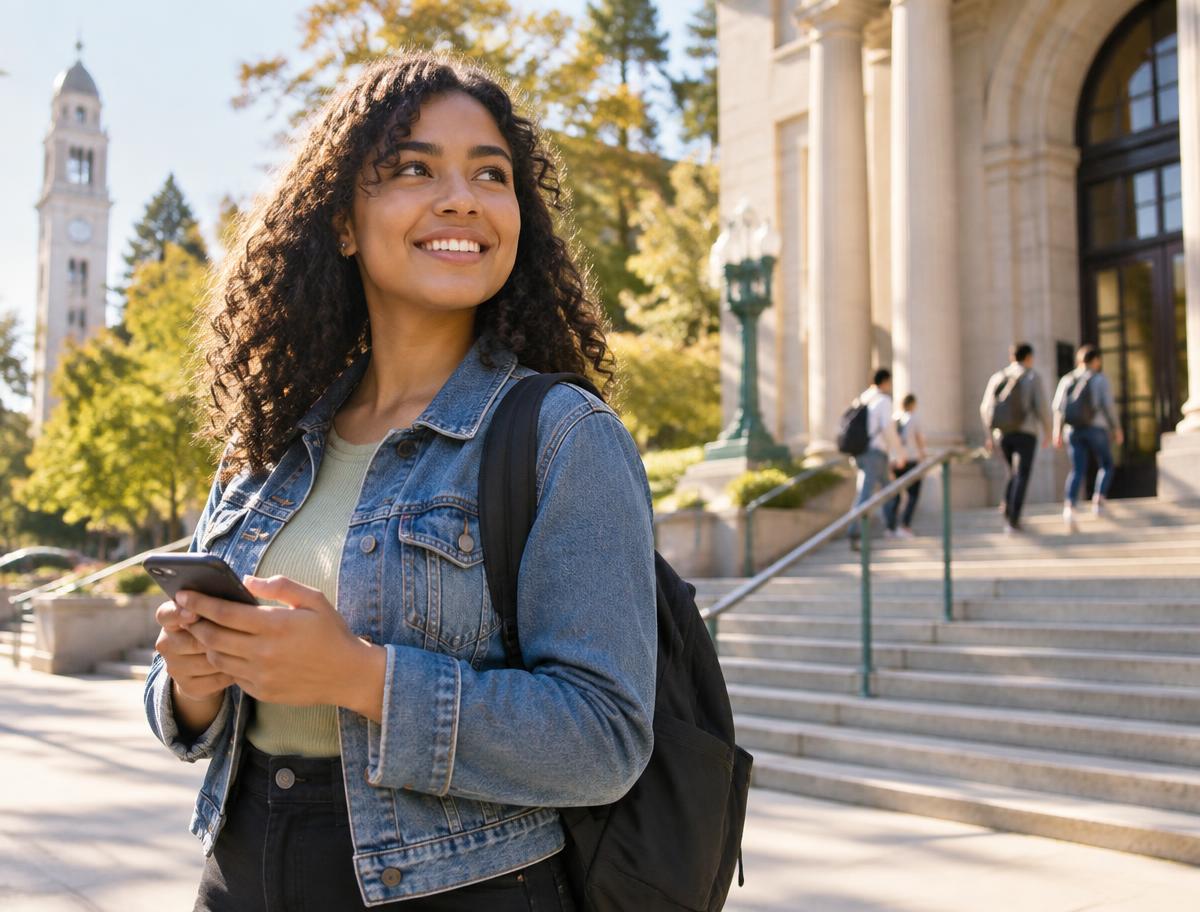
Travelers and First-Time Visitors
Anyone visiting somewhere new benefits from knowing what to expect. Travelers and tourists can explore a destination before they book, drive, or arrive. Tours with a language toggle let visitors explore in their own language.
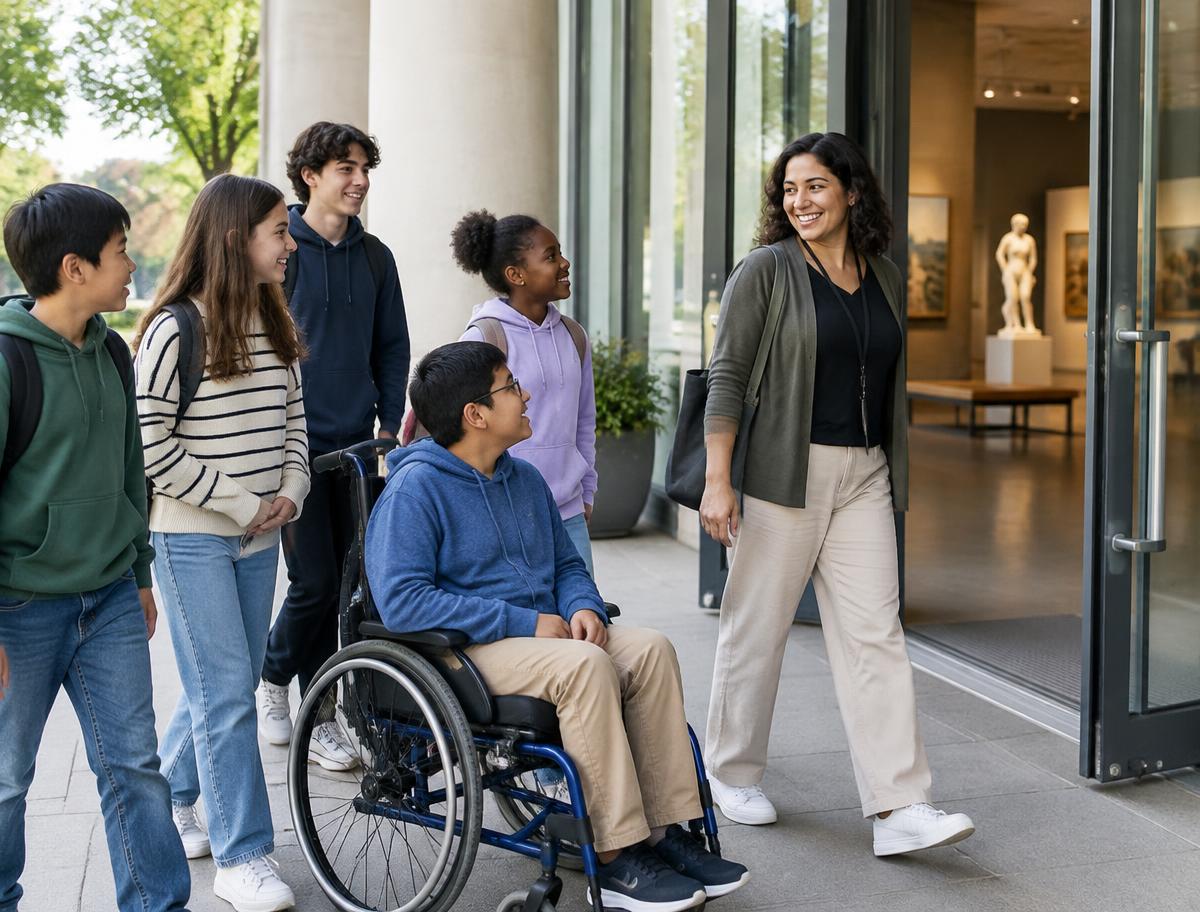
Event Planners and Group Leaders
Teachers, tour operators, meeting planners, and group leaders can check a venue's layout, access, and space before they commit a group.
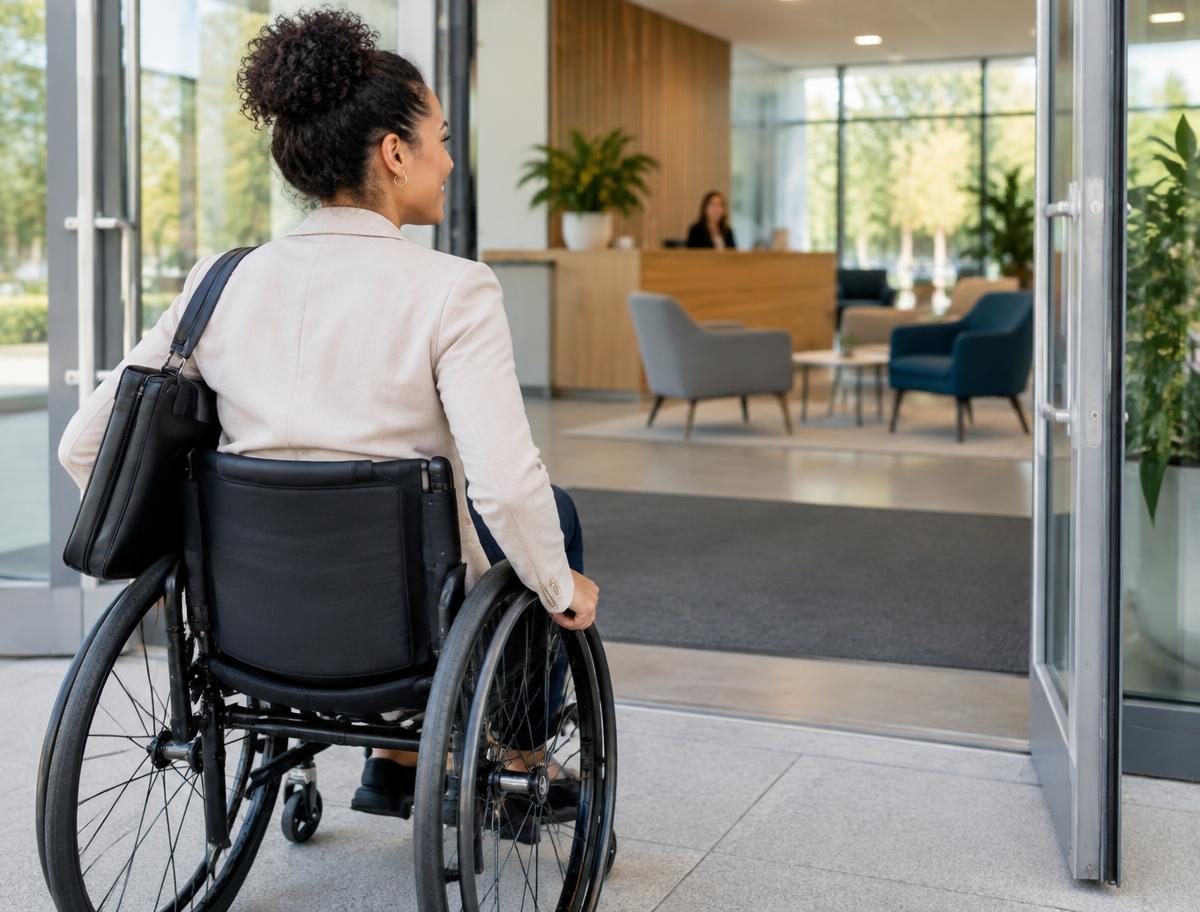
Job Seekers and New Hires
Candidates can walk through a workplace before an interview or first day, so they show up confident and ready to work.
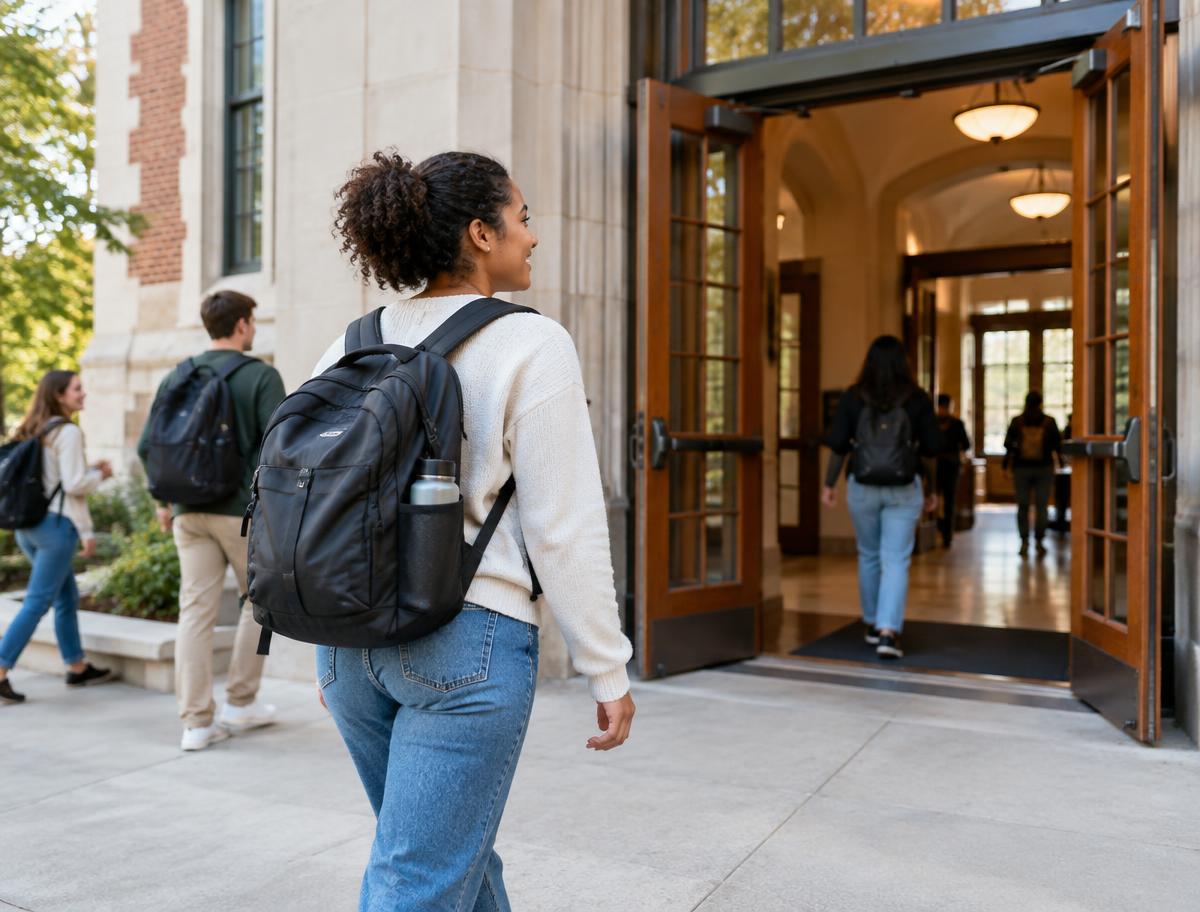
Students and Patients
Students can preview a campus, school, or classroom. Patients can see the entrance, waiting room, and route before an appointment.
Every person on this page is a customer.
Travelers with disabilities spend nearly $50 billion a year on travel, and more than $100 billion when you count the friends and family who travel with them. The US disability consumer market is worth $675 billion. When people can see your space first, they choose you.
Sources: Open Doors Organization, 2024. Disability:IN and American Institutes for Research, 2026. CDC, 2024.
Own a space?
Get found on Google, show up in AI search, and welcome every group on this page.