Why We Don't Rate Accessibility
By Evan Winters, President and CEO of Able Eyes
Explore Before You Go
People ask us this all the time. Can you give this place a score? Is it accessible, yes or no?
Our answer is always the same. We don't rate accessibility.
Not because it doesn't matter. Because it matters too much to shrink down to a number or a badge.
Accessibility is different for every person
Disability covers a huge range. It can be physical. It can be sensory. It can be neurodiversity, PTSD, or anxiety. Many disabilities aren't visible at all.
Think about who might be heading to the same building on the same day:
- Someone who uses a power wheelchair and needs to know the entrance and the restroom layout.
- Someone who is blind or has low vision and wants to know how the space is laid out before arriving.
- An autistic teen who does better knowing exactly what the room will look like.
- A veteran living with PTSD who wants to know where the exits are.
- A parent with a stroller and a toddler in tow.
- A grandparent who needs to know where they can sit and rest.
Same building. Six different experiences. A doorway that works for one person might not work for another. A big open lobby might feel welcoming to one visitor and overwhelming to the next.
There is no single score that is true for all of them.
Why a rating falls short
A rating is someone else deciding what you need.
Four stars from who? Based on what? A label like "accessible" might mean there's a ramp. It probably doesn't tell you how far the restroom is from the front door, how bright the lighting is, or whether there's a quiet spot to step away.
Ratings flatten all of that. They can give one visitor false confidence and scare off another who would have been just fine. And they leave businesses feeling judged instead of invited into the conversation.
You are the expert on your own needs. Not us. Not a checklist.
So we show the space instead
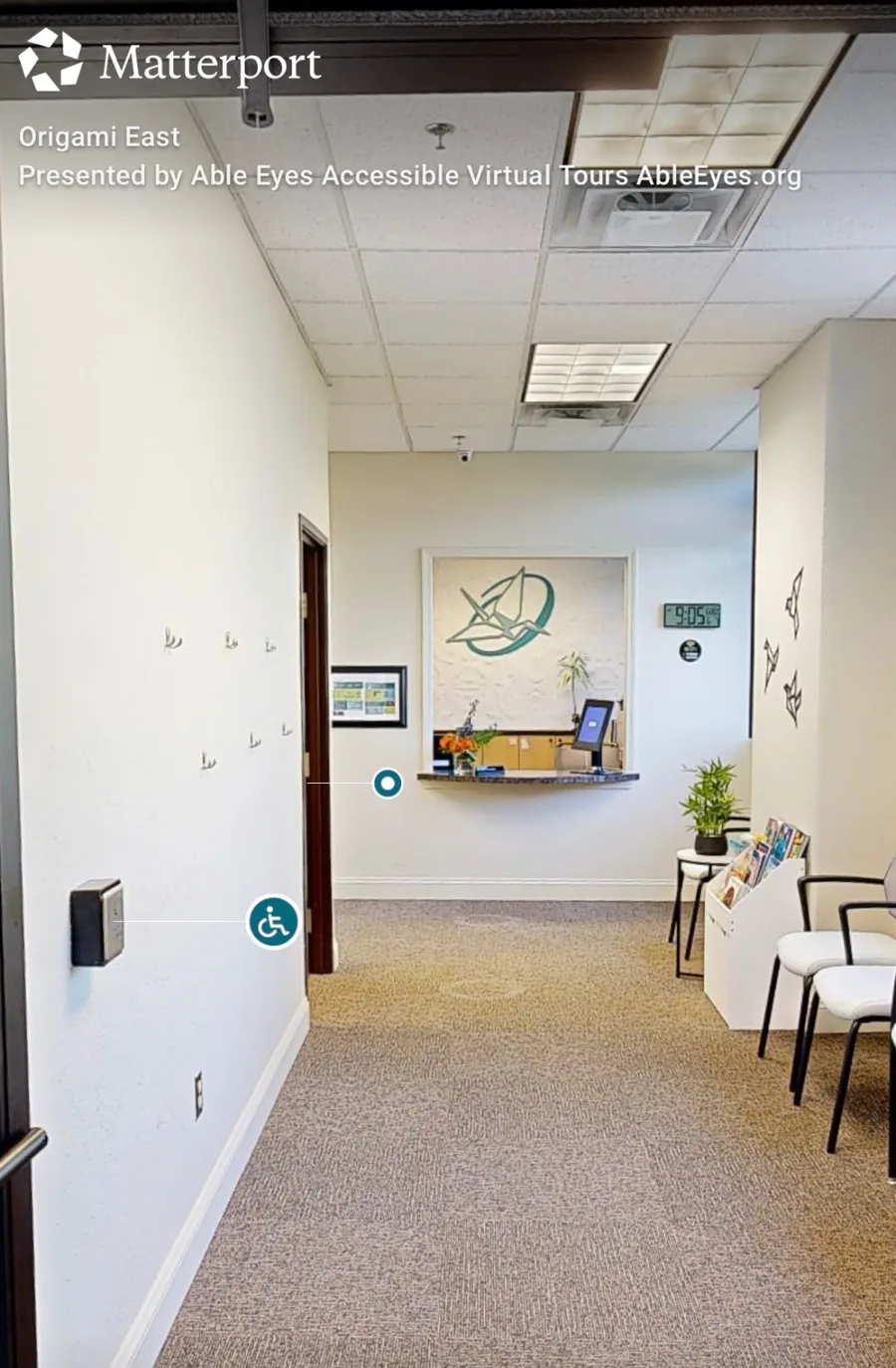
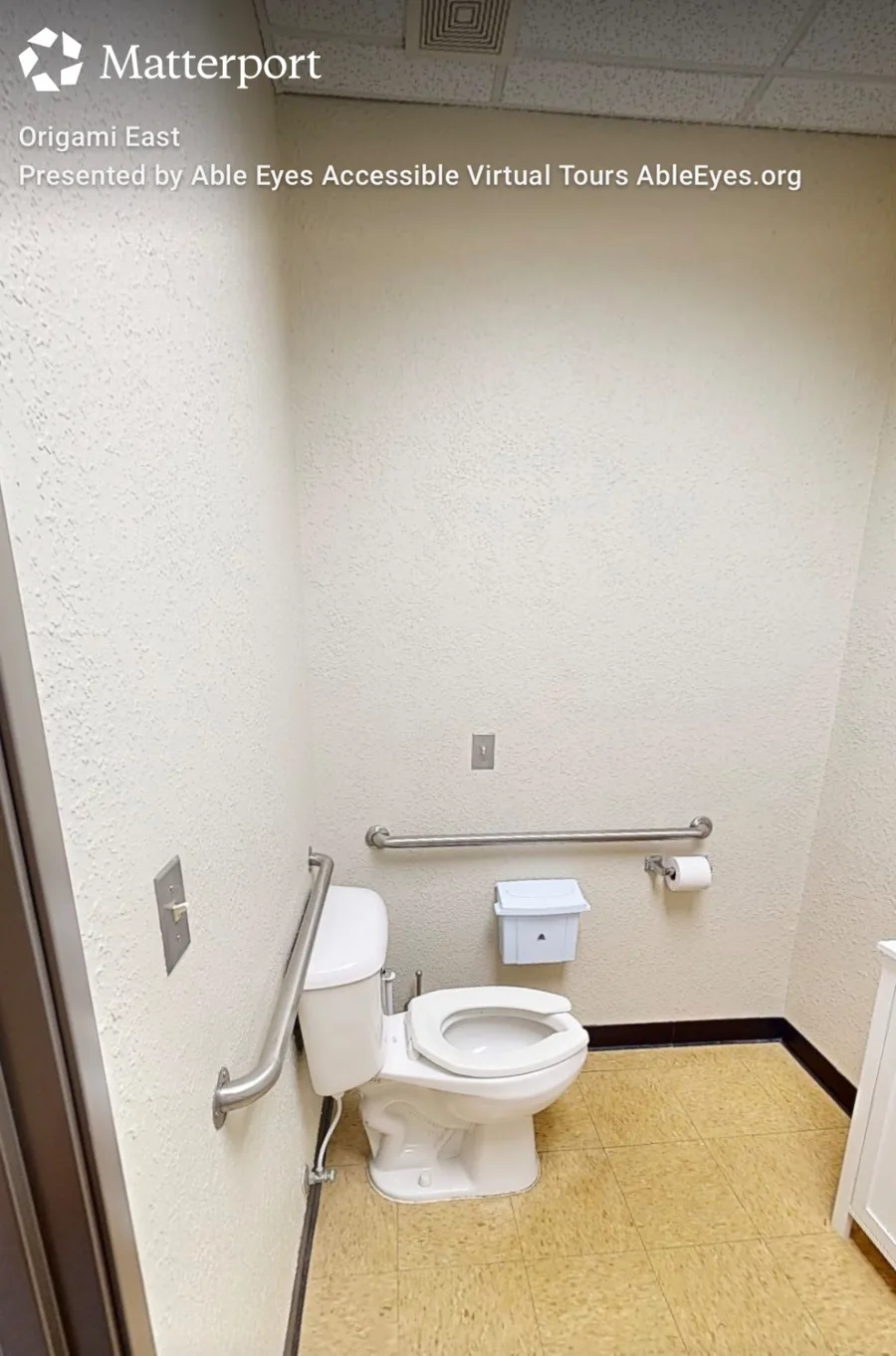
Every Able Eyes tour is a 360° view of the real space. Not a rendering. Not a few polished marketing photos. The actual place, the way it really is.
You move through it at your own pace. Check the entrance. Find the restrooms. Explore the hallways, the seating, the lighting, and the layout. Go back and check again as many times as you want.
Then you decide if it works for you.
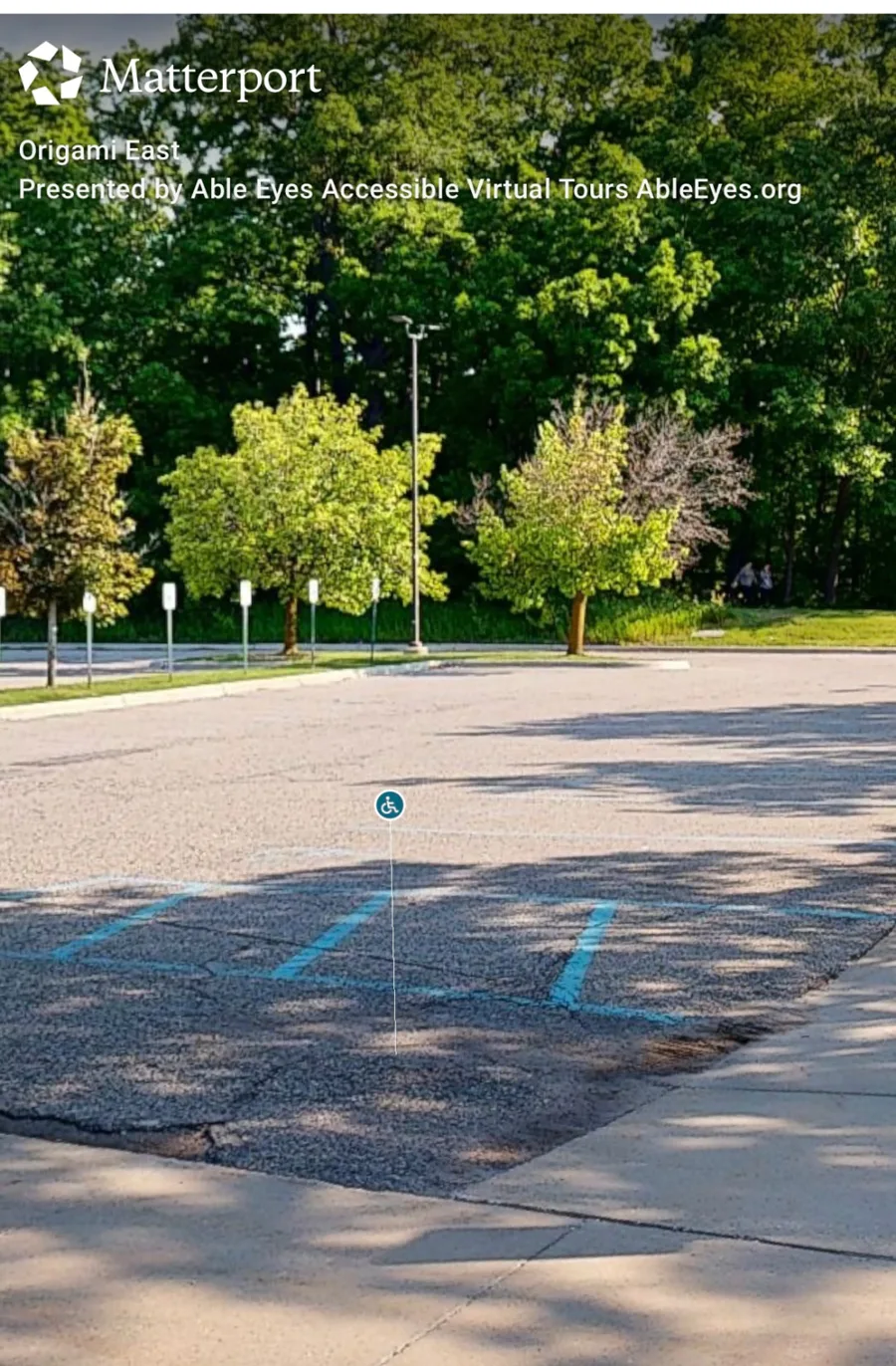
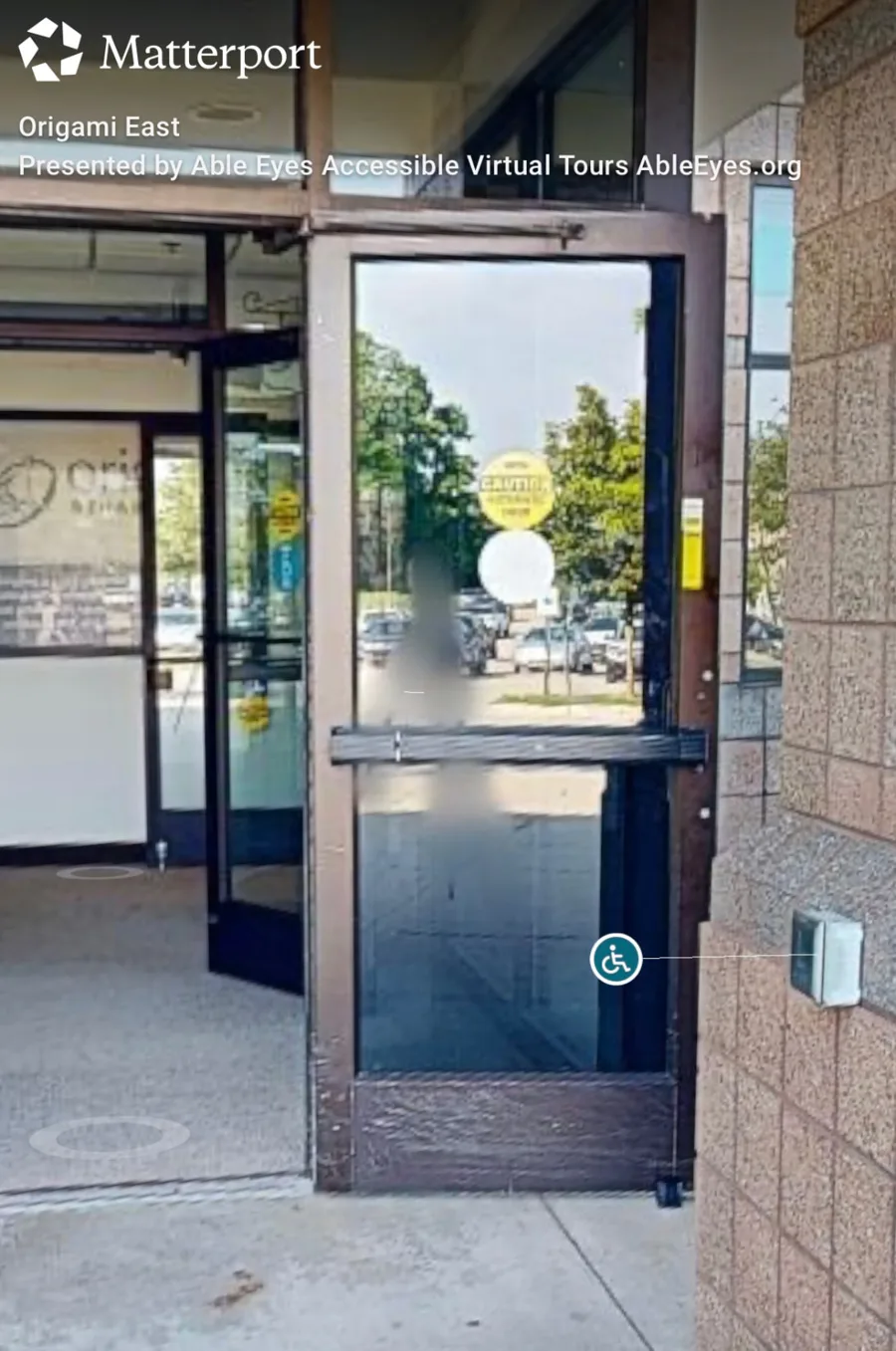
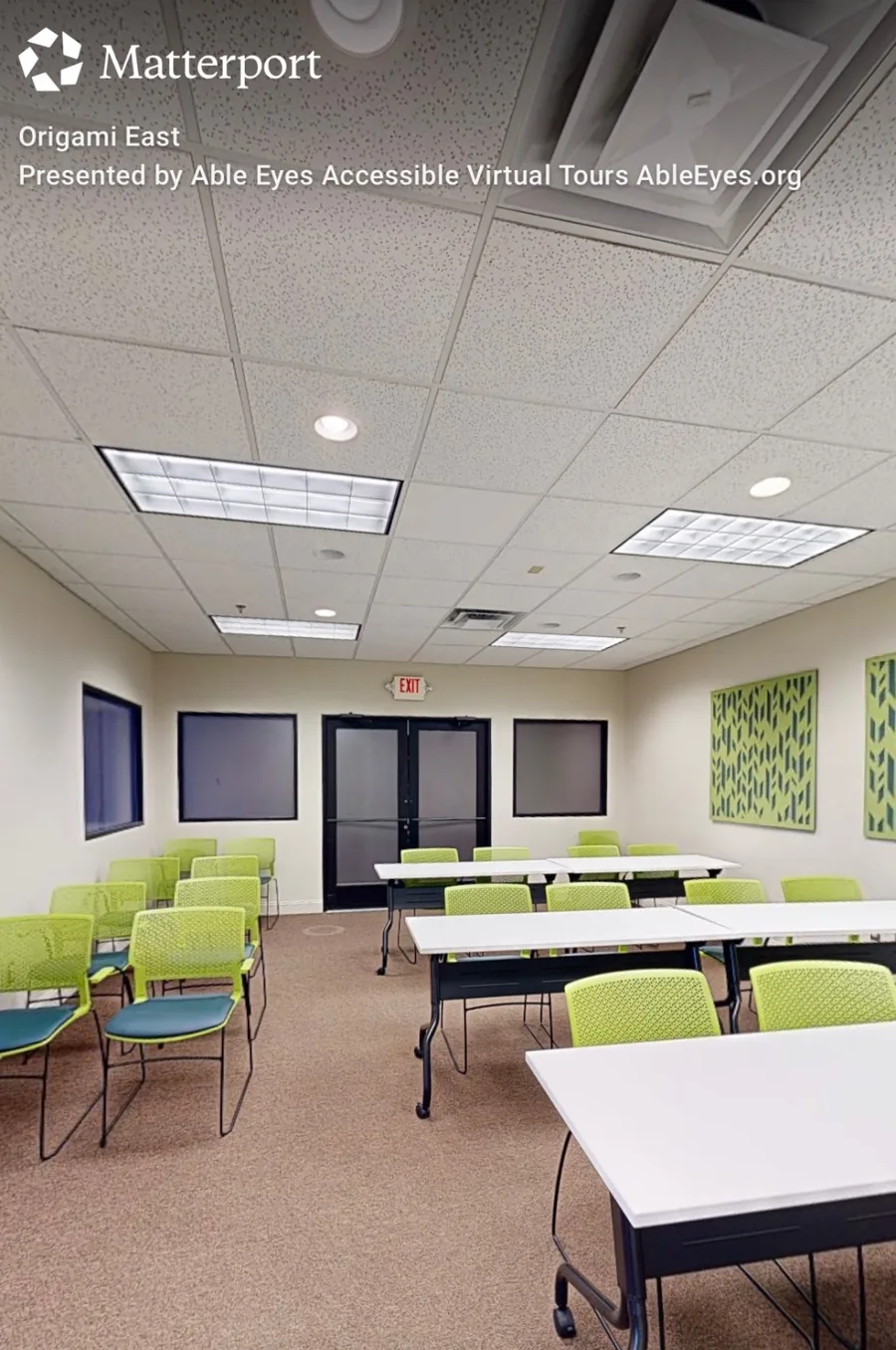
One honest note. Our tours capture the physical space, the layout, and the lighting. They don't capture sound or how busy a place gets. We'd rather tell you that up front than pretend a tour answers everything. That's the whole point: show what's real.
What this looks like in real life
The Michigan DNR uses Able Eyes tours for its fourth-grade state park field trip program. Teachers and parents preview the park on the DNR website before the trip, so nobody shows up guessing.
Capital Area District Libraries and Jackson District Libraries told us they use their tours every week, for patrons and for their own staff.
Origami Rehabilitation has worked with us since 2018. Every time they open a new location, they bring us back to film it. That's four locations now. When their main campus was remodeled, they had us update the tour so it still shows the space as it really is today.
Nobody needed a score. They needed to know what the space actually looks like.
Why this works for businesses too
We don't judge or rate organizations. We showcase their space so people can experience it before they ever leave home.
That's a welcome, not a grade. When a business shows visitors exactly what to expect, it says something simple: we thought about you, and we want you here.
Every tour lives on ableeyes.org, on Google Maps and the Google Business Profile, on the partner's own website, on AbleVu.com, and on membership organization sites. So the people looking for that information can actually find it.
Explore Before You Go
If you're planning a visit, start at ableeyes.org. We have more than 400 tours across Michigan and beyond. Find the place you're headed and explore it on your terms.
Want even more detail? Our sister company, AbleVu.com, has extensive accessibility information to help you plan your visit.
If you run a business, library, park, clinic, or workplace and want people of all abilities to arrive with confidence, we'd love to make your space the next one on the map.
Frequently Asked Questions
No. Accessibility is different for every person, so a single rating can't be true for everyone. We show the real space so you can explore it and decide what works for you.
Each tour is a 360° view of the real space, including the layout, the lighting, entrances, restrooms, seating, and more. Tours don't capture sound or how busy a place gets.
Our sister company, AbleVu.com, has extensive accessibility information to help you plan your visit.
Visit our For Businesses page to learn how to make your space the next one on the map.